
Overactive Bladder


An overactive bladder is a common condition characterised by urinary urgency which is a sudden onset sensation to urinate that is difficult to defer. This means that individuals with OAB symptoms have to stop what they are doing and rush off to the bathroom throughout the day. If they don't make it in time, urge incontinence results and these patients leak urine. Commonly, OAB symptoms include frequency (going often to urinate small amounts) and nocturia (waking up multiple times at night in order to urinate).
Understandably this disruptive cycle of bladder symptoms can start to dictate a womans life as they have to plan their whole day (and night) around being close to a bathroom. Consequentially, overactive bladder symptoms affect how a woman socialises, works, sleeps and the confidence she has when leaving home in the morning.
As a certified Urogynaecologist, Dr Usama Shahid provides a high level of expertise in urge urinary incontinence going beyond general care. Overactive bladder syndrome can be complex, often involving a combination of bladder problems, dysfunctional pelvic muscles and at times neurological disease. Dr Shahid provides a thorough, tailored assessment of your urinary symptoms and a complete range of up to date management plans. All available now, right here in the Illawarra.

The bladder has two main functions; it stores urine and voids urine (urinates). The control of these functions is through a complex network of nerve fibres running between the brain, spinal cord, bladder muscle (detrusor muscle), urinary sphincter and pelvic floor muscles. As the bladder fills and you are at a socially appropriate place to urinate, a signal is sent from your brain, which goes to the spinal cord and then on to the detrusor muscle, causing the bladder to contract and you urinate. In women with an overactive bladder; sporadic signals are sent through these nerve fibres and the urinary bladder wall contracts when the bladder is not full and/or at times which may be inconvenient for you. Consequentially, urine leaks (urge incontinence) and is often associated with urinary frequency (going to the bathroom often while passing small amounts of urine). Urinary tract infections can make symptoms worse.
There is no established or definitive cause for overactive bladder (OAB). We do know there are several risk factors (below) and these need to be individually assessed and managed towards the holistic approach of treating overactive bladder.
As women approach menopause, ovarian function declines and less oestrogen is produced. This oestrogen deficiency causes urgency incontinence as the bladder and pelvic floor muscles are oestrogen dependent for their function. A specific aspect of this is Genito-urinary Syndrome of Menopause (GSM) which is characterised by vaginal dryness and can exacerbate overactive bladder symptoms.
Although OAB occurs in the absence of a bladder infection, chronic cystitis from recurrent urinary tract infections can alter the urinary microbiome and result in urgency incontinence.
Long term voiding dysfunction (trouble emptying your bladder) from either a neurological issue causing detrusor muscle under-activity or a prolapse causing bladder outlet obstruction (inability to completely pass urine) can also result in urge urinary incontinence. A prolapse may interfere with the way the bladder contracts, empties and also carries urine. This places increases pressure and may eventually weaken the bladder wall resulting in an impaired ability to pass urine and associated urge incontinence.
Long term voiding dysfunction (trouble emptying your bladder) from either a neurological issue causing detrusor muscle under-activity or a prolapse causing bladder outlet obstruction (inability to completely pass urine) can also result in urge urinary incontinence. A prolapse may interfere with the way the bladder contracts, empties and also carries urine. This places increases pressure and may eventually weaken the bladder wall resulting in an impaired ability to pass urine and associated urge incontinence.
Stress incontinence can result in a chronically under-filled bladder and reflux of urine back onto the detrusor muscle, irritating it and causing urge incontinence.
Diabetes and a hyperglycaemic state can not only produce more urine but also affects the way the renal tract collects urine and the ability of the bladder to stretch to accommodate it. In addition, Diabetes directly erodes the nerve fibre pathways and disrupts their ability to effectively transfer signals. Furthermore, certain medications for high blood pressure and rheumatoid arthritis (like methotrexate) are associated with worsening urinary incontinence symptoms.
Pelvic radiation can cause a cystitis and overactive bladder syndrome by impairing the ability of the bladder muscle to stretch in order to effectively store urine.
The management of an overactive bladder (OAB) requires an in depth exploration of the root causes and assessment of symptoms before management is tailored to address individual patient concerns and improve quality of life.
Before you are reviewed you will be sent an electronic link to complete the following:
While at your review:
Urine test to exclude a urinary tract infection which can mimick or worsen symptoms of OAB
Urodynamics: this is a test done (in clinic) with the insertion of catheters to test the bladders ability to store and pass urine. It checks for urinary incontinence, bladder wall contractions, the bladder pressures at which patients leak, urinary sphincter function and the ability of the bladder to completely empty. Urodynamics provides pertinent information about your bladder.
Pelvic floor ultrasound and bladder scan is also conducted as part of the urodynamics. This allows for assessment of urethral hypermobility (while you leak urine), 3D visualisation of prolapse and how well your bladder empties.

Whilst choosing to manage OAB without any treatment is always a valid option, simple conservative (non surgical measures) are low risk and so effective that they form the backbone of initial treatment for virtually every patient. These measures include:
Double and timed voiding schedule:
In order to alleviate OAB symptoms, it helps to empty your bladder frequently.
In patients with chronic OAB, the network of nerve fibres that control bladder function develop 'bad habits.' This is through sending sporadic signals to the bladder and pelvic floor muscles that cause bladder contractions when you don't want or need to urinate.
Bladder retraining works by gently breaking this cycle. The principle is straightforward; when an urge to void is felt, rather than immediately rushing to the toilet, you learn to pause, suppress the urge using relaxation and distraction techniques, and gradually extend the time between visits to the bathroom. Over weeks, this re-educates the bladder to hold larger volumes and reduces the frequency and intensity of urgency episodes.
Once the urge has settled, walk calmly to the toilet at your scheduled time or hold on a little longer if you can.
Drink no more than 1.5 - 2L of water a day. Understandably, this should be increased for intense exercise.
Caffeine (coffee, tea energy drinks), alcohol, carbonated soft drinks, artificial sweeteners and citrus juices can all irritate the inner lining of the bladder and worsen OAB symptoms.
As much as is possible, they should be cut out of your diet and avoided in your diet.
When the pelvic muscles contract inhibitory signals are sent to the bladder. These signals suppress involuntary detrusor contractions and can reduce urinary leakage.
Obesity: achieving a healthy weight through diet and exercise can significantly improve OAB symptoms.
Diabetes: worsens bladder function is needs to be investigated and managed in order to optimise
General medication review: Hypertension (high blood pressure) medications and others like methotrexate can all influence how the bladder functions.
Optimising bowel function and constipation: A persistently full rectum or delayed transit of faeces can place increase pressure on the pelvic floor. This is managed with adequate hydration, aperients and stool softeners.
Stress incontinence: if left unmanaged stress urinary incontinence can worsen OAB symptoms over time.
Renal tract pathology: like kidney stones or bladder stones can worsen OAB symptoms and need to be managed independently.
Containment measures: For patients who are too frail or not suitable for conservative or surgical measures (like a suprapubic catheter) the final pathway is that of nappies or absorbent pads for some relief.

The medical management of OAB is often a time started alongside conservative management. The role of each intervention is dependent on your individual concerns, risk profile and examination/investigation findings.
These conventional medications in oxybutynin and solifenacin work by decreasing acetylcholine which causes bladder contractions.
They have declined in use in recent times due to their unfavourable risk profile including a growing body of evidence which suggests that they are associated with neurocognitive decline (dementia) and their well-known side effects of dry mouth, constipation and blurred vision.
Beta-3 agonists (namely in Mirabegron) are a newer generation medication for the management of
Mirabegron has become increasingly popular as it has no association with dementia and doesn't cause the conventional anticholinergic drug side effects of dry mouth, blurred vision and constipation.
The medication does slightly raise blood pressure but is otherwise well tolerated.
Vaginal oestrogen is a topical cream that corrects vaginal dryness and improves the symptoms of OAB in post menopausal women. It is a low risk intervention that is commonly prescribed in conjunction with the above medications. There is well established long term data that the use of vaginal oestrogen is safe in women with a previous history of breast cancer.
Percutaneous tibial nerve stimulation (PTNS) is an electrical stimulation device through a low voltage stimulator. The procedure involves the use of a thin needle inserted above the ankle (where the tibial nerve runs) to send electrical stimulation from the tibial nerve to the bladder, requiring multiple sessions for effectiveness. This works like a 'pacemaker' for the bladder giving you control when trying to pass urine.
The other option is transcutaneous tibial nerve stimulation (TTNS) which uses electrodes instead of a needle.
Both these nerve stimulation devices have a growing body of evidence to support their use. They require 30 minute visits weekly, as a 12 week regime and have no permanent device implanted. Besides a small risk of skin infection, they tend to be well tolerated and considered low risk.
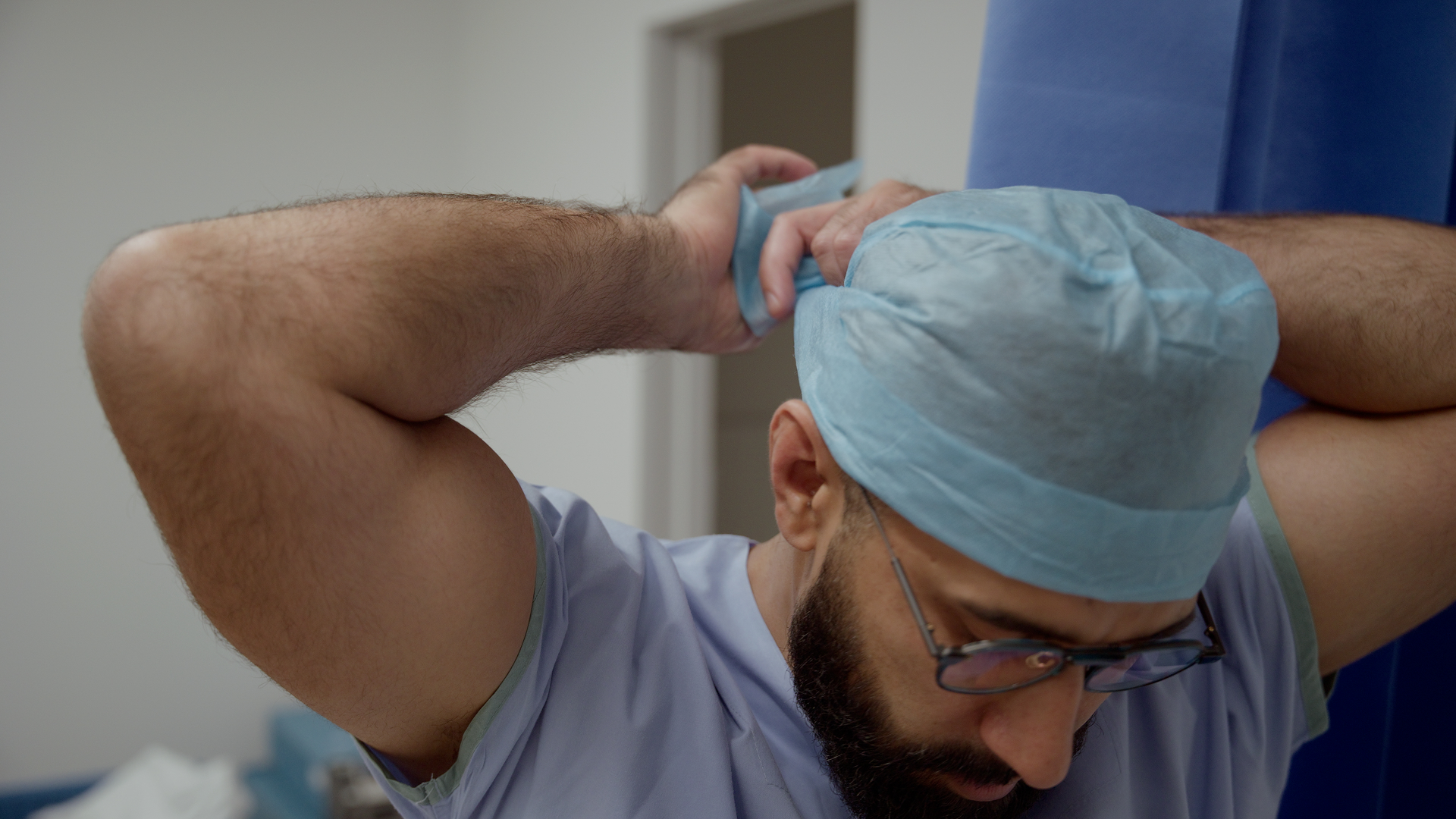
The surgical treatment options for OAB are used should the above measures not be tolerated or provide adequate symptoms relief. Each surgical management option is detailed below, with their individual risks and benefits.
Botulinum toxin (commonly known by its brand name in Botox) is a surgical management option for the treatment of refractory OAB (where conservative and medical treatments haven't effectively relieved symptoms). It is administered as an injection into the bladder wall. This is done under a general anaesthetic as a day procedure (no overnight hospital admission required) and is quick (takes 15 minutes to perform).
A cystoscope (camera) is inserted into the bladder to visualise the bladder and exclude other conditions which may be causing OAB symptoms (like a bladder cancer, bladder stones, cystitis or mesh exposure into the bladder from previous surgery). The botox is then injected in a standardised fashion across the bladder muscle.
Botox works by blocking the nerve signals in the bladder that trigger involuntary bladder muscle contractions. 80-90% of women achieve a significant reduction in their urinary urgency, frequency and urge incontinence following the procedure. The bladder botox takes 72 hours to show some effect. Patient satisfaction rates are consistently high.
One of the downsides of bladder botox is that its effect on the bladder nerves is temporary typically lasting six months to a year, after which repeat treatments are necessary. Most women undergo repeat injections once a year and over time some women find that the interval between injections extends.
Botox is contra-indicated if you are pregnant, have an active bladder infection, have a known allergy to botox or have specific medical condition like Myasthenia Gravis or Lambert Eaton Syndrome.
Bladder botox is overall a safe and well tolerated procedure. There are 2 potential side effects that are important to understand:
Other risks include:
Bladder botox is a day surgery (no overnight hospital admission is required). The procedure itself takes 15 minutes and you are monitored in recovery for 2 hours following the procedure and go home the same day.
Over the next few days it is normal to experience a mild discomfort, slight burning sensation when passing urine or small amounts of blood in your urine. This is normal and settles quickly. The pain is adequately managed with simple analgesia in paracetamol and ibuprofen, if you are able to take it.
Most women return to their normal daily activities the same day or the following day
Tips for success:
You will be contacted by our team and have your post-operative appointment booked in 4 weeks time. We will review your symptoms and confirm that you are emptying your bladder well with an ultrasound. We will ensure that you are closely followed up.
Sacral neuromodulation (SNM) is a surgical treatment option for the management of refractory OAB (where conservative and medical treatments have failed to provide adequate symptom relief). It if also used for faecal incontinence and urinary retention (non obstructive).
The procedure works through a permanent implantable pulse generator placed under your skin in the upper buttock (under a general anaesthetic). The pulse generator device is very small (about the size of a 20 cent coin) and not noticeable in your day to day activities. The implantable pulse generator releases gentle sacral nerve stimulation signals which act like a bladder pacemaker to control your bladder function. These electrical pulses are distributed through a soft wire facilitating sacral nerve stimulation. These electrical pulses aim to modulate the signals (which become erratic in OAB) between the brain, sacral nerve and the bladder.
SNM has great long term success rates with 90% of patients reporting significant improvements in their urinary urgency, frequency, incontinence and general quality of life.
Sacral neuromodulation is done as a 2 step procedure:
The implantable device has a battery life of 17-20 years. There is also an option of a smaller device which is rechargeable and doesn't need to be replaced. Charging occurs for roughly 30 minutes every 3-4 months through a portable charging pad strapped to your back.
Contra-indications: with certain conditions it is not possible to get a permanent SNM. These include
SNM is a well established and safe procedure. With that in mind, there are some potential risks and complications that are important to understand. These include:
After the stage 1 (trial period) insertion you are usually admitted to hospital overnight. Once discharged you will be required to keep a bladder diary for 2 weeks.
The procedure is usually well tolerated and you are given pain relief to keep you comfortable.
Tips for success:
If the trial period is successful (defined as a 50% reduction in urinary urgency, frequency, voids at night and incontinence episodes) then stage 2 (permanent implantation) will proceed. This is done as a day case and no hospital overnight admission is required.
You are then closely followed up to ensure all the settings are working as desired to given you the best relief of your symptoms.
Urinary diversion is a 'last resort' measure for women who have either failed all other interventions or arent suitable to get them. It is most commonly done through the placement of a supra-pubic catheter. this catheter is placed under a general anaesthetic through lower lower part of your abdomen into the bladder. It bypasses the need to urinate through your urethra facilitating for relief of your bladder symptoms. The procedure is completely reversible and a small urine bag can be attached for travel or when sleeping given you a better quality of life. There are more invasive measures in the formation of a stoma.
As a certified Urogynaecologist with subspecialty training, Dr Usama Shahid leads the pelvic organ prolapse specialist Wollongong service providing dedicated expertise in prolapse and an individualised approach to diagnosis and treatment. His subspecialty focus facilitates for a full spectrum of management options from conservative strategies all the way through to advanced pelvic floor reconstructions tailored to your anatomy, symptoms and personal goals. With an overarching goal of restoring function to help you reclaim your life, these comprehensive services are available right now, here in the Illawarra.

Not necessarily. Management options involve doing watching and waiting (and observing progress), conservative (or non surgical options) and then surgical options. Dr Shahid will discuss all available options for your prolapse as an individualised experience. The decision to proceed with any management is always your choice.
This depends on the nature of your employment, your background health and the type of surgery you have had. For most patients if you work from a desk, the discomfort after surgery usually subsides fully at around the 2 week mark but most patients return back to work 4 weeks after major surgery.If your job involves lifting >5kg (and no other duties can be allocated to you), then we recommend you take a full 6 weeks off work following surgery, to allow your body to fully heal.
A 'rule of thumb' is that most patients can drive following surgery when they are pain free and able to slam the brakes on in an emergency. While this varies person to person and depends on the specific procedure you have had, most patients can achieve this around 1-2 weeks for laparoscopic repairs and around 3-4 weeks following vaginal repairs. It is essential to contact your insurance company to clarify specific restrictions associated with your individual policy.
We focus on providing clear, transparent pricing. Because every patient’s situation is slightly different, we provide a personalised, itemised quote after your consultation – so you know exactly what to expect before making any decisions. Urogynaecology procedures do have Medicare rebates but the exact out-of-pocket cost varies depending on the type of procedure, your private health insurance and individual situation. Please contact our rooms for further queries.
Yes, referrals are required in order for you to obtain Medicare rebates. Please see your GP and mention you want a referral to see Dr Usama Shahid or otherwise contact our rooms and we will guide you to known GP’s for referrals.
Anytime you are bothered by your symptoms and they are affecting your quality of life. All options for management will be openly discussed with you. There are treatments available.
Pelvic floor health is personal, and Dr Shahid understands that. He is committed to making every patient feel at ease. Your first consultation is an opportunity to discuss your symptoms in a confidential, supportive environment. Dr Shahid will take a history, perform an examination to assess your pelvic floor and if needed do further tests like urodynamics and ultrasound before having a robust discussion about options available to you. Thus allowing you to make an informed decision about your care.