UROGYNAECOLOGIST
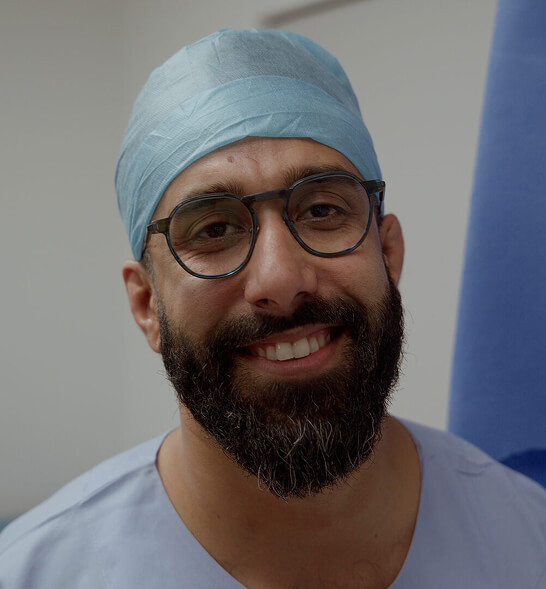
Dr Usama Shahid
MBBS (Hons), FRANZCOG, CU
Illawarra's dedicated
pelvic floor subspecialist

Pelvic organ prolapse
Urinary incontinence
Overactive bladder
Pelvic organ prolapse
Urinary incontinence
Overactive bladder

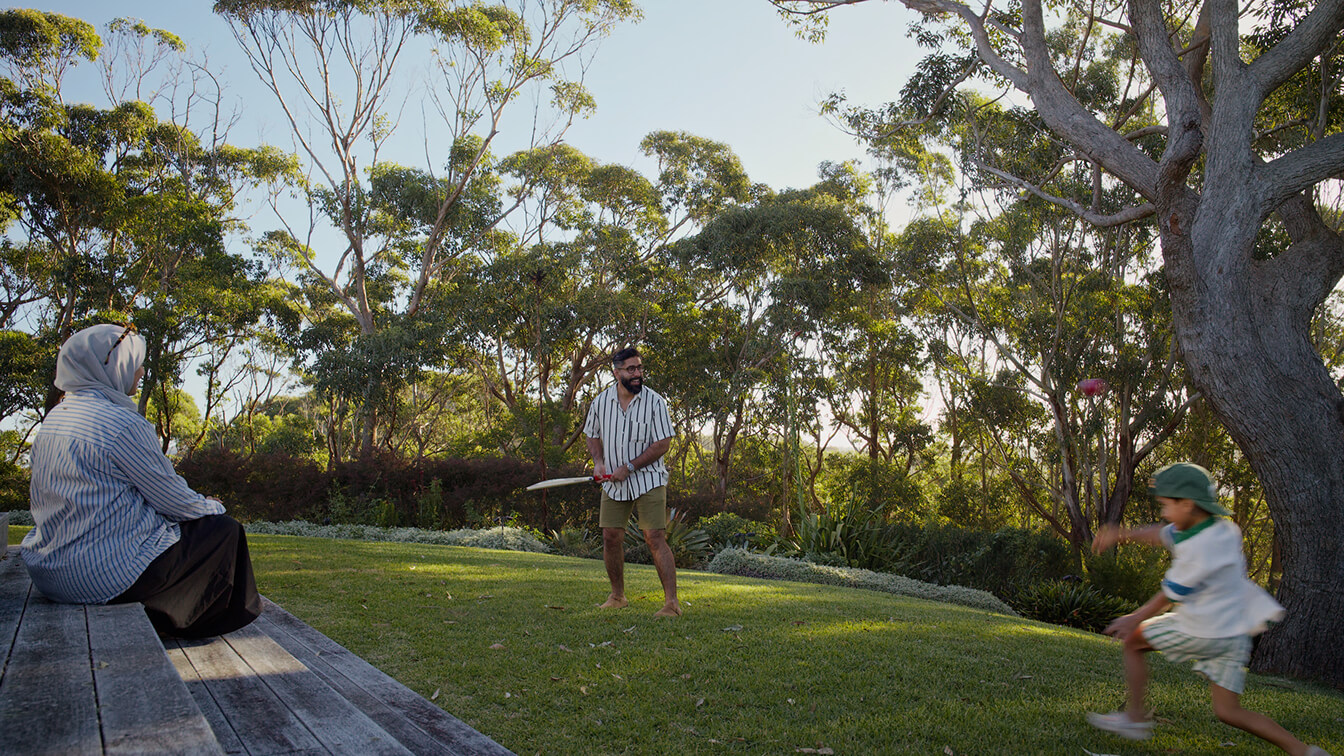
Usama is an Illawarra local, having grown up in Shellharbour. After completing his high schooling in Wollongong, Usama ventured north to QLD to complete his medical schooling, gynaecology and subspecialist Urogynaecology training at the Royal Brisbane Women's Hospital. Now along with his wife (a Paediatrician) and growing family he has returned and is proud to call Wollongong home.
Usama's comprehensive subspecialty training in minimally invasive surgery, conservative management, urodynamic services, vaginal mesh removal surgery and laparoscopic pelvic floor repairs allows him to provide tailored care to optimise outcomes for your pelvic health.








A prolapse occurs when one or more of the pelvic organs drop or descend out of their normal position due to weakness or damage to the pelvic floor muscles and ligaments.
Women often describe a 'bulge' like sensation, which could be the vagina (including bowel or bladder) or the uterus itself. These can also occur following a previous surgery, known as recurrent prolapse.
There are a vast array of treatment options available including both non surgical and surgical approaches. Usama's approach to management is based on your symptoms, concerns and preferences with a focus on minimally invasive surgery led care.
Urinary incontinence is the involuntary leakage of urine and is a common issue for women, particularly after childbirth or during menopause. There are two main types; stress incontinence which occurs when laughing, coughing, sneezing or jumping and urge incontinence in which the sensation to urinate is difficult to defer.
After a thorough history and examination, urodynamics is a diagnostic test used to assess bladder and urethra function, helping to diagnose and inform treatment options for incontinence and exclude other dysfunction.
The treatment options depend on the type of incontinence you have and your preferences for management.
An overactive bladder is the presence of urinary urgency (where one finds it hard to defer the sensation to urinate) and occurs in the absence of a urinary tract infection.
It is often associated with frequent urination, waking up at night to urinate and difficulties controlling urination.
Treatment includes conservative measures with double/timed voiding, reduction in bladder irritants, bladder retraining, medications and surgical options including bladder botulinum toxin and sacral nerve modulators.
Recurrent urinary tract infections are a common concern for women and can be associated with pelvic floor disorders.
They can be caused by structural reasons (like prolapse, bladder stones, mesh complications), certain medical conditions like diabetes or post menopausal hormonal changes.
Treatment options include oral medications, injections, vaccines and if required gynaecological mesh removal.
Bladder pain syndrome is a chronic pain that typically occurs during bladder filling and is relieved with voiding.
Often a time there is no identifiable cause but other issues like pelvic mesh and ovarian cysts need to be excluded.
Treatment options include lifestyle factors, medications, bladder injections and sacral nerve modulators.



Urogynaecologists have spent extra time subspecialising in issues of the pelvic floor. Through advanced surgical training, research, examinations and a stringent curriculum they have developed a more in depth understanding of pelvic floor dysfunction.
This allows for a more robust development of personalised treatment plans for you with the backing of the most up to date and modern treatment techniques.
Being based and brought up in Wollongong enables Usama to understand the needs of Illawarra locals and he is proud to practice urogynaecology in the community he calls home.


Take the first step towards tackling your pelvic floor dysfunction and reclaiming your life. Request an appointment today.