<b>Bladder Pain Syndrome</b> (Interstitial Cystitis)

Bladder pain syndrome (BPS) or Interstitial cystitis is a complex, chronic condition characterised by pain perceived to be from the bladder area. The painful condition is usually associated with other bladder symptoms including a frequent and urgent need to urinate, often only passing small amounts. Classically (although not always the case) the pain (which is usually a burning sensation) occurs during bladder filling and is relieved as you pass urine. The pain tends to be cyclical in nature, with periods of relative stability followed by acute flare ups and then a return to baseline.

Painful bladder syndrome is often associated with other pelvic conditions like endometriosis, pelvic pain, fibromyalgia, overactive bladder and irritable bowel syndrome. The overlapping and at times non specific symptoms require a specialised approach to diagnosis and management of your individual symptoms.

As a subspecialist Urogynaecologist Dr Usama Shahid leads the bladder pain syndrome Wollongong service by providing compassionate, holistic assessment and an evidence based approach so you can reclaim your life from chronic pain.
What causes bladder
pain syndrome?

The exact cause of bladder pain syndrome hasn't been completely understood. What we do understand is that the condition is a result of a dysfunction of the inner lining of the bladder wall. This layer of bladder lining is known as the glycosaminoglycan (GAG) layer. It functions as a largely impermeable barrier protecting the bladder wall from painful stimuli (like urine). Once not functioning properly (as is the case in painful bladder syndrome) the disrupted GAG layer allows irritants in the urine to pass through to the bladder wall triggering inflammation, nerve sensitisation and pelvic pain.

In response the bladder activates mast cells which release inflammatory mediators and initiate an autoimmune response. Overtime these pain signals can amplify in a process called central sensitisation resulting in long term pain.


Given the significant overlap of symptoms with other conditions, tagged with a relentless cycle of bladder pressure, pelvic pain, frequent urination and sporadic periods of temporary relief, bladder pain syndrome prevalence rates are very likely under reported. The following are some known risk factors:


  • Age: BPS most commonly presents in middle aged women

  • History of urinary tract infections: repeated bladder infections (particularly in childhood) can disrupt in inner lining of the bladder.

  • Chronic pelvic pain: women with endometriosis, irritable bowel syndrome and fibromyalgia have a higher incidence of bladder pain syndrome.

  • Pelvic floor dysfunction: hypertonic pelvic floor muscles are more commonly associated with BPS.

  • Autoimmune disorders: Bladder pain syndrome is more common in women with autoimmune disorders.

  • Psychological factors: chronic stress and anxiety have an increased associated with BPS.

  • Previous pelvic surgery, radiation or bladder cancer
How is bladder pain
syndrome assessed?

There is no specific test to diagnose bladder pain syndrome. Instead it is a diagnosis of exclusion, whereby other conditions that could possibly explain symptoms are ruled out. This is done through:

  • Pre appointment bladder diary and questionnaires: these assess your urinary symptoms especially urinary frequency and the pattern in which you feel pain.

  • A thorough history taking and physical examination: this assesses your background medical history and any other factors which might be exacerbating your symptoms like vaginal atrophy, pelvic organ prolapse and levator hypertonicity.

  • Urine test: to exclude a urinary tract infection and urine cytology to triage for bladder cancers.

  • Urodynamic studies and pelvic ultrasound: in select cases this may be required to gauge bladder capacity and assess urinary incontinence. This may also be used to triage whether you have any kidney diseases from long term high pressure filling of the bladder.

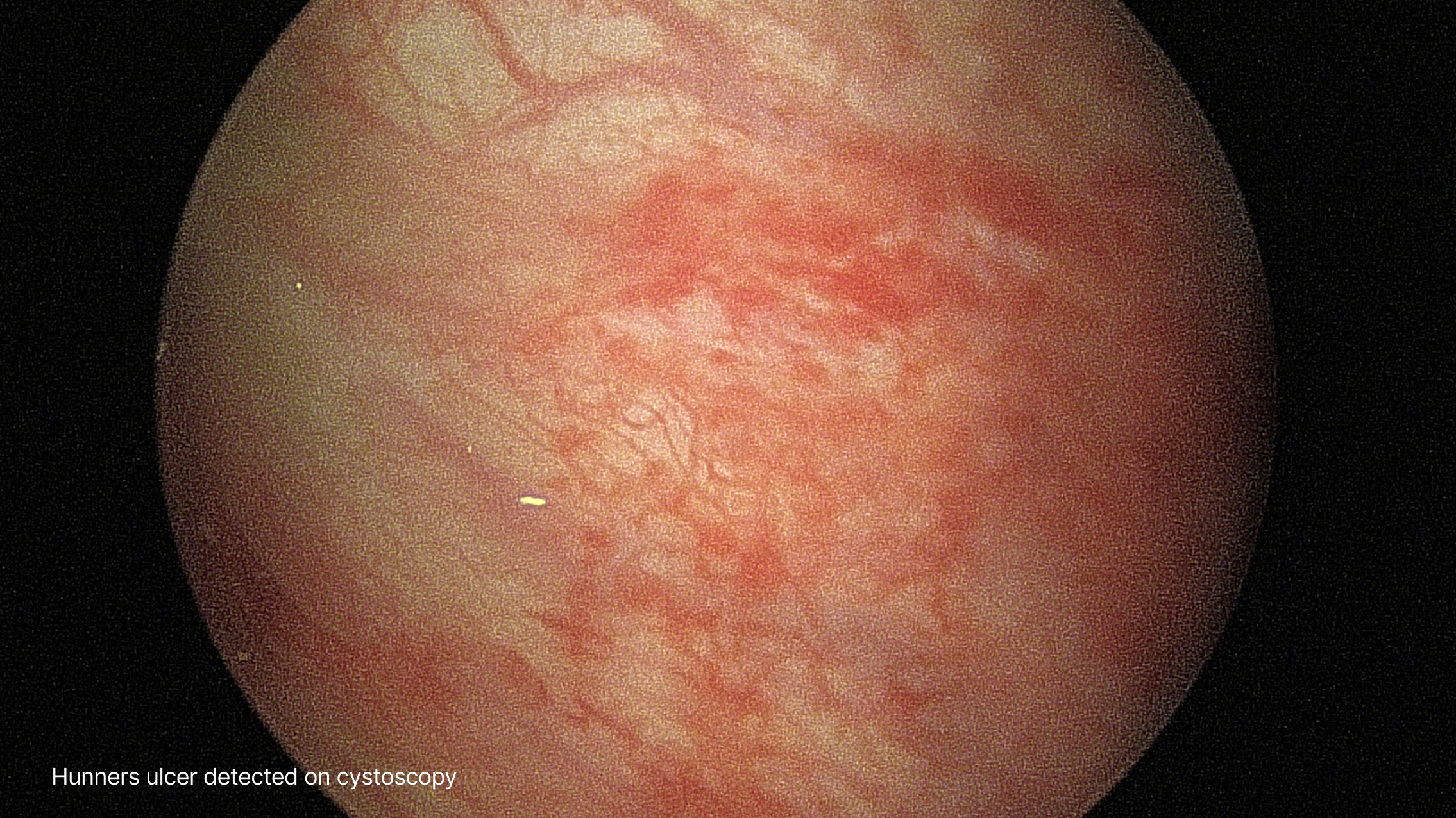
  • Cystoscopy: this can be offered if there is concern for specific lesions (like Hunners ulcers), bladder cancer (bladder biopsy might be required) or mesh exposure into the bladder (from previous surgery). A normal cystoscopy doesn't mean that you don't have BPS.


Dr Shahid provides this assessment all in house in his Wollongong rooms.

How is bladder pain
syndrome managed ?

There is no single treatment that works for all women with BPS, instead management is highly individualised based on your specific concerns, general health and personal goals of management. This requires a stepwise, multi-disciplinary approach with various treatments and although this takes some time it allows for a meaningful improvement in your day to day life.

Conservative and lifestyle measures:
Dietary modifications

Certain foods and drinks can irritate the inner lining of the bladder and trigger or worsen bladder symptoms. Through a process of trial and error (over 2-4 weeks) the following foods and drinks should be eliminated as much as possible:


  • Caffeine, alcohol: including tea, coffee, energy drinks and carbonated beverages

  • Acidic foods: tomato and tomato based products and vinegar

  • Spicy foods

  • Citrus fruits: oranges, mandarins, grapefruit, lemons and limes

  • Artificial sweeteners

  • Chocolate

  • Ensure adequate hydration during this time, aiming for 1.5 - 2L spread through the day.
Altering bladder habits
  • You should go to the toilet every 3 hours (if you need to go before this you should but don't go more than 3 hours without emptying your bladder.

  • Sit comfortably on the toilet, leaning slightly forward with your elbows resting on your knees and both feet firmly on the ground.

  • If you still feel that your bladder hasn't emptied completely after voiding lean then back, count to 10, lean forward and start again

  • Bladder training: works by breaking the cycle of bladder symptoms.
 • The principle is straightforward; when an urge to void is felt, rather than immediately rushing to the toilet, you learn to pause, suppress the urge using relaxation and distraction techniques, and gradually extend the time between visits to the bathroom. Over weeks, this re-educates the bladder to hold larger volumes and reduces the frequency and intensity of urgency episodes.

    • Step 1: Keep a bladder diary before you begin, spend 3 days recording when you drink, when you void, how much you pass, and when you experience urgency or leakage. This establishes your baseline and helps identify patterns.

    • Step 2: Set your starting interval based on your diary, identify your current average time between voids. This becomes your starting interval. For example, if you are currently going every 45 minutes, that is your starting point.

    • Step 3: Suppress the urge, don't rush when you feel the urge to void before your target time, do not immediately go to the toilet. Instead, try the following urgency suppression techniques:

      • Stop and stay still: sit down if possible, or stand quietly. Movement can worsen urgency.

      • Breathe slowly and deeply: focus on calm, controlled breathing to reduce the sense of urgency.

      • Perform quick pelvic floor contractions: rapidly tighten and release the pelvic floor muscles 5–6 times. This helps to reflexively inhibit bladder contractions.

      • Distract your mind: count backwards from 100, focus on a task, or mentally run through something unrelated. Urgency is partly driven by the brain and distraction genuinely helps.

      • Wait it out (easier said then done): in most cases, the urge will peak and then subside within 1–2 minutes if you do not act on it immediately.


Once the urge has settled, walk calmly to the toilet at your scheduled time or hold on a little longer if you can.


    • Step 4: Extend your interval gradually Every one to two weeks, increase your voiding interval by 15–30 minutes by starting the bladder retraining process again.
Pelvic floor exercises

Pelvic floor dysfunction, particularly hypertonic pelvic floor muscles are common in women with BPS. While with pelvic organ prolapse and stress urinary incontinence the goal of physical therapy is to strengthen the pelvic floor, in BPS it is often a case of down regulating and relaxing the pelvic floor. This is done through:


  • Manual therapy and release of trigger points can relieve pain and pain with sexual intercourse

  • Relaxation and down-training exercises

  • Breathing training
Stress management

Psychological stress or anxiety is a well established trigger for flare ups. Incorporating relaxation techniques to reduce stress can have a meaningful impact on symptom control and are used as an adjunct to other treatments. This can be achieved through:


  • Mindfullness meditation

  • Gentle exercises like walking, swimming

  • Cognitive behaviour therapy

  • Psychological support where indicated
General:
  • Wear loose clothing: Some patients with BPS can develop visceral hyperalgesia and notice a burning sensation with tight fitting clothing.

  • Support groups: There are several national institutes and online patient groups providing a community for support and sharing of ideas.
Medical management

In the absence of a known definite cause, the treatment options for the medical management of BPS vary but are all aimed at providing symptom relief. If needed referral to a pain specialist can be considered.

Simple analgesia

Simple pain relief medication like paracetamol and ibuprofen help block pain and will be discussed with you. Although easily available these medications do have side effects.

Amitriptylline

This medication is from a group called tricyclic antidepressants. It functions by reducing central sensitisation of the nerves around the bladder and can improve sleep. It is used at a much lower dose than for its other use in depression.


Amitriptylline can cause drowsiness and thus should be taken around 6pm, so the effects occur during night time when you are in bed.

Other medications

These oral medications are less frequently used due to their limited efficacy in the evidence base of side effects. Namely hydroxyzine, cimetidine and pentosan polysulfate sodium (which is no longer available on the PBS).

Beta-3 agonists

It is common for patients with bladder pain syndrome to suffer from urinary urgency, frequency and incontinence. Mirabegron helps the bladder to relax and alleviate bladder symptoms.

Dimethyl sulfoxide (DMSO)

This is administered as a weekly course of bladder instillations for 3 months. Followed by once monthly maintanence doses.

The procedure involves emptying the bladder of urine and inserting a combination of DMSO, heparin and local anaesthetic into the bladder. You then lie in various positions for a total of 30 minutes allowing it to spread across the bladder wall.

Surgical management of
bladder pain syndrome
Cystoscopy and bladder hydrodistension:

This procedure is used to exclude other conditions as part of diagnosis. Bladder hydrodistention is the process of filling the bladder up with sterile fluid under an anaesthetic. The stretching of the bladder wall has been described as a treatment for BPS but unfortunately only provides temporary relief.

Bladder injections
What is it?

Bladder injections are a surgical management option for the treatment of bladder pain syndrome. This procedure directly targets inflammatory changes in the bladder wall by visualising them with a camera (cystoscope) and injecting a combination of specific antibiotics (gentamicin which cant be taken orally), steroids and pain relief. .

The injections work by decreasing inflammation and pain and directly administering antibiotics to the bladder. Most people will need to procedure repeated if their symptoms start becoming frequent again (down the track), which the average duration between injections of 12 months.

The is done under a general anaesthetic as a day procedure (no overnight hospital admission required) and is quick (takes 15 minutes to perform).

A cystoscope (camera) procedure (through which the injections are administered) also excludes other pathology which could be causingsymptoms (like a bladder cancer, bladder stones, cystitis or mesh exposure into the bladder from previous surgery).

What are the risks?

Bladder injections are overall a safe and well tolerated procedure. There are some potential side effects that are important to understand:


  • No improvement in symptoms (10%). Other options like sacral neuromodulation will be discussed with you.

  • Urinary tract infection: this occurs in 10-15% of cases. Preventative antibiotics are administered during the procedure to help reduce this chance and if you have an active bladder infection, the procedure will be deferred.

  • Bladder symptoms (5%) may initially worsen including urgency and frequency. These symptoms are usually temporary as the inner lining of the bladder can be irritated following the procedure. These symptoms can persist is rare cases. Retention (<1%) is very rare with bladder injections.

  • Bowel symptoms (<1%) including constipation or obstructed defecation are very rare.

  • Bleeding: including a risk of haematoma and the need to return to theatre. Rarely, is this the case (<1%) and it is exceedingly rare to require a blood transfusion (<1%). This risk is increased if you are on blood thinners.

  • Injury to surrounding structures (<1%) including the bladder, ureter, bowel, vessels and nerves. This may require further surgery (at the time or later). In rare cases (<1%), a fistula may develop which is an abnormal connection between the bowel or bladder and vagina.

  • Post-operative complications include a venous thromboembolism or pulmonary embolism.

  • Exceedingly rare complications include cardiorespiratory arrest and death.
What is recovery like?

Bladder injections are done as a day surgery (no overnight hospital admission is required). The procedure itself takes 15 minutes and you are monitored in recovery for 2 hours following the procedure and go home the same day.

Over the next few days it is normal to experience a mild discomfort, slight burning sensation when passing urine or small amounts of blood in your urine. This is normal and settles quickly. The pain is adequately managed with simple analgesia in paracetamol and ibuprofen, if you are able to take it. If your pain is worsening, please call the post-operative phone number or consult your doctor.

Most women return to their normal daily activities the same day or the following day

Tips for success:

  • You should stay well hydrated to flush the bladder and reduce the risk of infection

  • Avoid strenuous exercise, heavy lifting, and swimming for 48 hours

  • Sexual intercourse should be avoided for 48 to 72 hours

  • You can expect some fatigue for the first few days following surgery. During this time, light activities like walking and ensuring you are adequately hydrated are encouraged. This reduces your risk of venous thromboembolism.


You will be contacted by our team and have your post-operative appointment booked in 4-6 weeks time. We will review your symptoms and confirm that you are emptying your bladder well with an ultrasound. We will ensure that you are closely followed up.

Sacral neuromodulation
What is it?

Sacral neuromodulation (SNM) is a surgical treatment option for the management of bladder pain syndrome (where conservative and medical treatments have failed to provide adequate symptom relief).


The procedure works through a permanent implantable pulse generator placed under your skin in the upper buttock (under a general anaesthetic). The pulse generator device is very small (about the size of a 20 cent coin) and not noticeable in your day to day activities. The implantable pulse generator releases gentle sacral nerve stimulation signals which act like a bladder pacemaker to control your bladder function. These electrical pulses are distributed through a soft wire facilitating sacral nerve stimulation. These electrical pulses aim to modulate the signals (which become erratic in BPS) between the brain, sacral nerve and the bladder.


SNM has great long term success rates with 90% of patients reporting significant improvements in their symptoms and general quality of life.

Sacral neuromodulation is done as a 2 step procedure:


  • Step 1 (trial phase): under a general anaesthetic a tined lead (soft wire) is placed into the upper buttock area. The placement of the wire is checked with an xray during the procedure and with an electrical sensor to ensure appropriate sacral nerve stimulation is being achieved. One this is done an external (not implanted) device is used for 2 weeks as a trial. During this period we closely follow up your symptoms (with a bladder diary) to ensure appropriate improvement (defined as a 50% reduction in urinary urgency, frequency, voids at night and incontinence episodes). You are given a wireless, pocket sized remote through which you can adjust the electrical settings of impulses through to the sacral nerve.

  • Step 2 (permanent implantation): if your trial period has been successful (this occurs 90% of the time) then a permanent impulse generator is implanted under the skin above your buttock. The previously connected lead (soft wire) is then connected to this implantable pulse generator before the skin is closed over.
FAQ's

How long does the permanent implantable pulse generator work for?

  • The implantable device has a battery life of 17-20 years. There is also an option of a smaller device which is rechargeable and doesn't need to be replaced. Charging occurs for roughly 30 minutes every 3-4 months through a portable charging pad strapped to your back.


Is the implantable pulse generator safe for MRI scans and airport security scanners?

  • Yes, the device is safe for use with MRI's in both F15 and R20 systems. There are specific settings that the MRI technician will set the machine to and with your remote you will turn the pulse generator off. Inform the MRI technician that you have a SNM implant, bring your patient card and MRI ready guidelines. The company representatives will follow this up closely with you before the procedure to make sure it is a smooth process for you.

  • It is safe to pass through airport security scanners and metal detectors. Your device doesnt need to be turned off.

Contra-indications: with certain conditions it is not possible to get a permanent SNM. These include

  • Inadequate response during the trial phase.
  • Severe or rapidly progressing neurological disease
  • Complete spinal cord injury
  • Pregnancy
  • Abnormal sacral anatomy
What are the risks?

SNM is a well established and safe procedure. With that in mind, there are some potential risks and complications that are important to understand. These include:

  • No improvement in symptoms (10%). This can occur during the trial phase - at which point the lead will be removed under an anaesthetic and you will be offered bladder botox.

  • Revision (5%): sometimes the lead can migrate or break and you might need to return to theatre in order to have it replaced.
  • Implant site pain (10-15%): usually temporary but can persist

  • Buttock pain or other nerve pain (10%): similarly, this is usually temporary but can persist

  • Implant leakage (<1%)

  • Parasthesia (10%): you may develop a tingling sensation or some numbness. Once again this is usually self limiting and short lived but in a small percentage of cases it may persist.

  • Infection (5%): this can occur at the implantation site and may need antibiotics and in rare cases debridement.

  • Bladder symptoms (<1%) like retention are exceedingly rare with SNM.

  • Bleeding: including a risk of haematoma and the need to return to theatre. Rarely, is this the case (<1%) and it is exceedingly rare to require a blood transfusion (<1%). This risk is increased if you are on blood thinners.

  • Injury to surrounding structures (<1%) including the bladder, bowel, vessels and nerves are exceptionally rare. This may require further surgery (at the time or later).

  • Post-operative complications include a venous thromboembolism or pulmonary embolism.

  • Exceedingly rare complications include cardiorespiratory arrest and death.
What is recovery like?

After the stage 1 (trial period) insertion you are usually admitted to hospital overnight. Once discharged you will be required to keep a bladder diary for 2 weeks.


The procedure is usually well tolerated and you are given pain relief to keep you comfortable.


Tips for success:

  • During the 2 week trial phase: avoid swimming, baths and strenuous exercise or heavy lifting.

  • Keep the external impulse generator area, lead and connection site as dry as possible (it is well dressed in theatre).

  • You can expect some fatigue for the first few days following surgery. During this time, light activities like walking and ensuring you are adequately hydrated are encouraged. This reduces your risk of venous thromboembolism.


If the trial period is successful (defined as a 50% reduction in urinary urgency, frequency, voids at night and incontinence episodes) then stage 2 (permanent implantation) will proceed. This is done as a day case and no hospital overnight admission is required.


You are then closely followed up to ensure all the settings are working as desired to given you the best relief of your symptoms.

Why Choose Dr Usama Shahid for Bladder Pain syndrome Treatment?

A diagnosis of bladder pain syndrome can feel overwhelming and the journey to find effective and lasting symptom control can be frustrating. If you have been living with chronic bladder pain, discomfort and unexplained bladder symptoms, subspecialist assessment may provide the answers and the relief you are looking for.

Dr Usama Shahid is a consultant subspecialist Urogynaecologist based in Wollongong full time. He offers a compassionate and evidence based approach to your individual care. Allowing you to effectively manage your symptoms and reclaim your life.


Why Choose Dr Usama Shahid for Bladder Pain syndrome Treatment?

Frequently Asked Questions

Do I need surgery for prolapse or urinary incontinence?

Not necessarily. Management options involve doing watching and waiting (and observing progress), conservative (or non surgical options) and then surgical options. Dr Shahid will discuss all available options for your prolapse as an individualised experience. The decision to proceed with any management is always your choice.

When can I return to work following surgery?
  • This depends on the nature of your employment, your background health and the type of surgery you have had.
  • For most patients if you work from a desk, the discomfort after surgery usually subsides fully at around the 2 week mark but most patients return back to work 4 weeks after major surgery.
  • If your job involves lifting >5kg (and no other duties can be allocated to you), then we recommend you take a full 6 weeks off work following surgery, to allow your body to fully heal.
When can I drive after surgery?
  • This depends on the nature of your employment, your background health and the type of surgery you have had.
  • For most patients if you work from a desk, the discomfort after surgery usually subsides fully at around the 2 week mark but most patients return back to work 4 weeks after major surgery.
  • If your job involves lifting >5kg (and no other duties can be allocated to you), then we recommend you take a full 6 weeks off work following surgery, to allow your body to fully heal.
What should I avoid doing after surgery?
  • Avoid heavy lifting (nothing above 5kg for the first 6 weeks). This is to avoid excessive strain on your healing tissues.
  • Avoid sexual intercourse or anything in the vagina for 6 weeks after the operation.
  • Avoid high impact exercise for 6 weeks
  • Avoid excessive straining when opening your bowels. Ensure you are adequately hydrated and if needed take some over the counter fibre, prune juice and simple laxatives.
What are the consultation or operating fees?
  • We focus on providing clear, transparent pricing. Because every patient’s situation is slightly different, we provide a personalised, itemised quote after your consultation – so you know exactly what to expect before making any decisions.
  • Urogynaecology procedures do have Medicare rebates but the exact out-of-pocket cost varies depending on the type of procedure, your private health insurance and individual situation.
  • Please contact our rooms for further queries.
Do I need a referral to see a urogynaecologist?

Yes, referrals are required in order for you to obtain Medicare rebates. Please see your GP and mention you want a referral to see Dr Usama Shahid or otherwise contact our rooms and we will guide you to known GP’s for referrals. 

When should I see a urogynaecologist?

Anytime you are bothered by your symptoms and they are affecting your quality of life. All options for management will be openly discussed with you. There are treatments available. 

What happens during a urogynaecology consultation?

Pelvic floor health is personal, and Dr Shahid understands that. He is committed to making every patient feel at ease. Your first consultation is an opportunity to discuss your symptoms in a confidential, supportive environment. Dr Shahid will take a history, perform an examination to assess your pelvic floor and if needed do further tests like urodynamics and ultrasound before having a robust discussion about options available to you. Thus allowing you to make an informed decision about your care. 

Get in touch.
We’re here to help.

Whether you have a question, want to make an appointment, or your GP would like to refer a patient, we’d love to hear from you.